Following
curiosity.
Using maps, nature cards, and birdsong to invite noticing, recognition, imagination, and shared conversation.
Start with what catches attention.
A bird call, a familiar plant, or an unexpected detail can open a conversation. This study explored outdoor ecological discovery through materials that residents could look at, listen to, choose, and discuss.
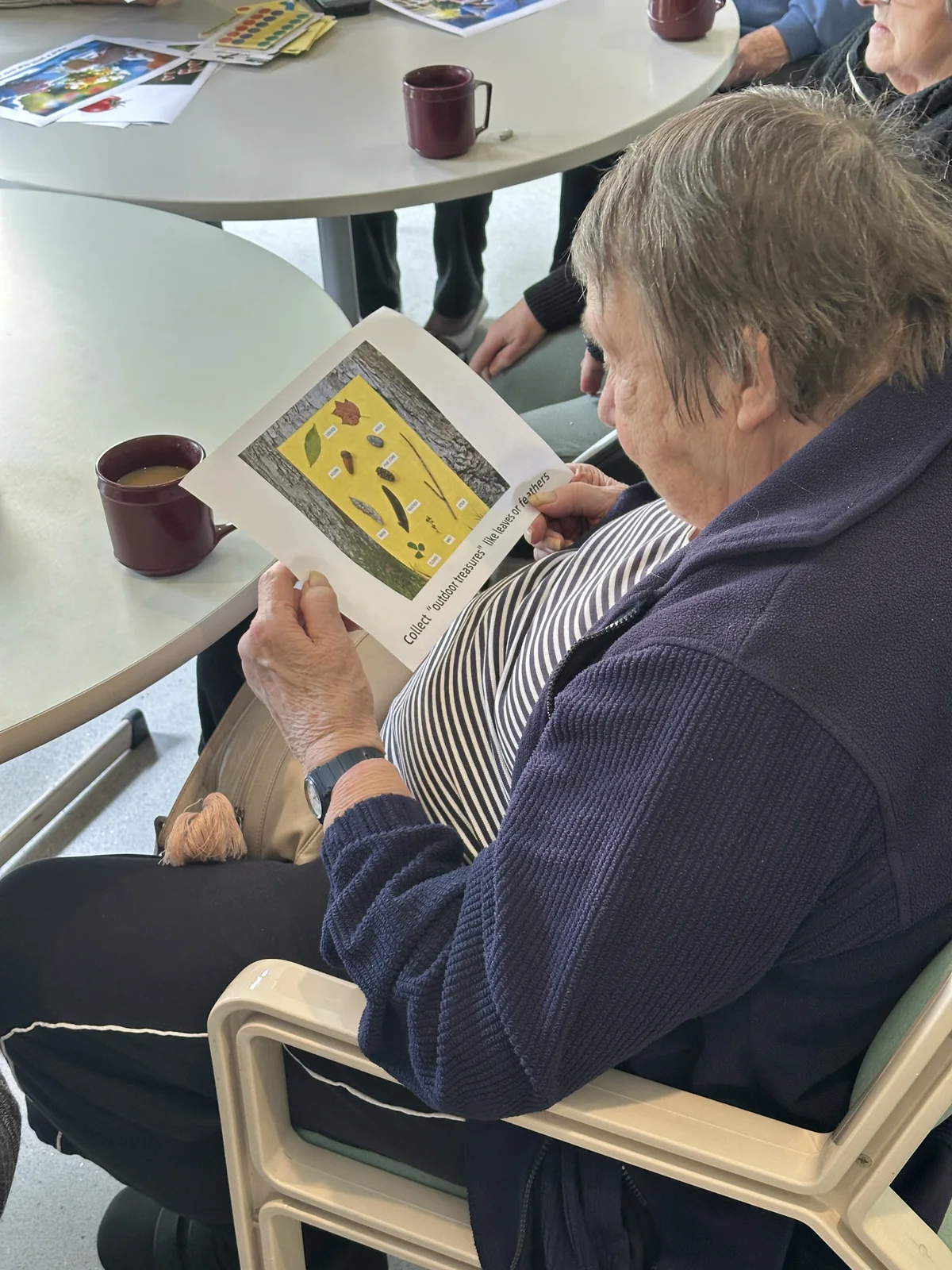
An activity-preference booklet helped invite choices about what to explore. The materials offered different entry points, rather than expecting everyone to take part in the same way.
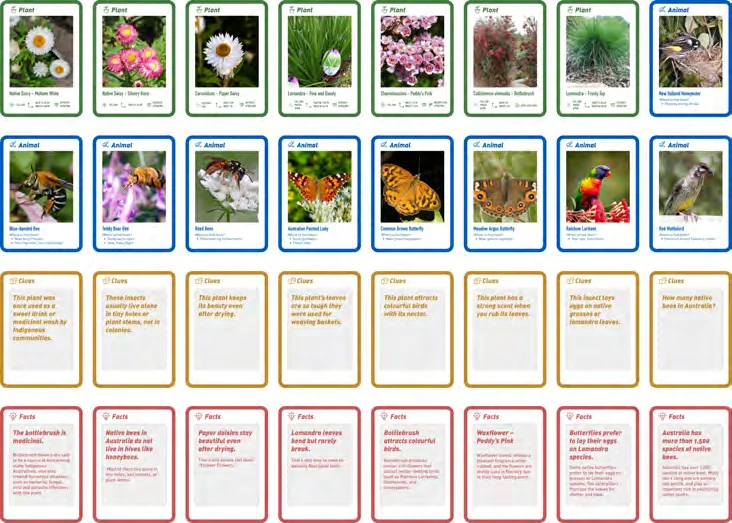
A small collection of invitations.
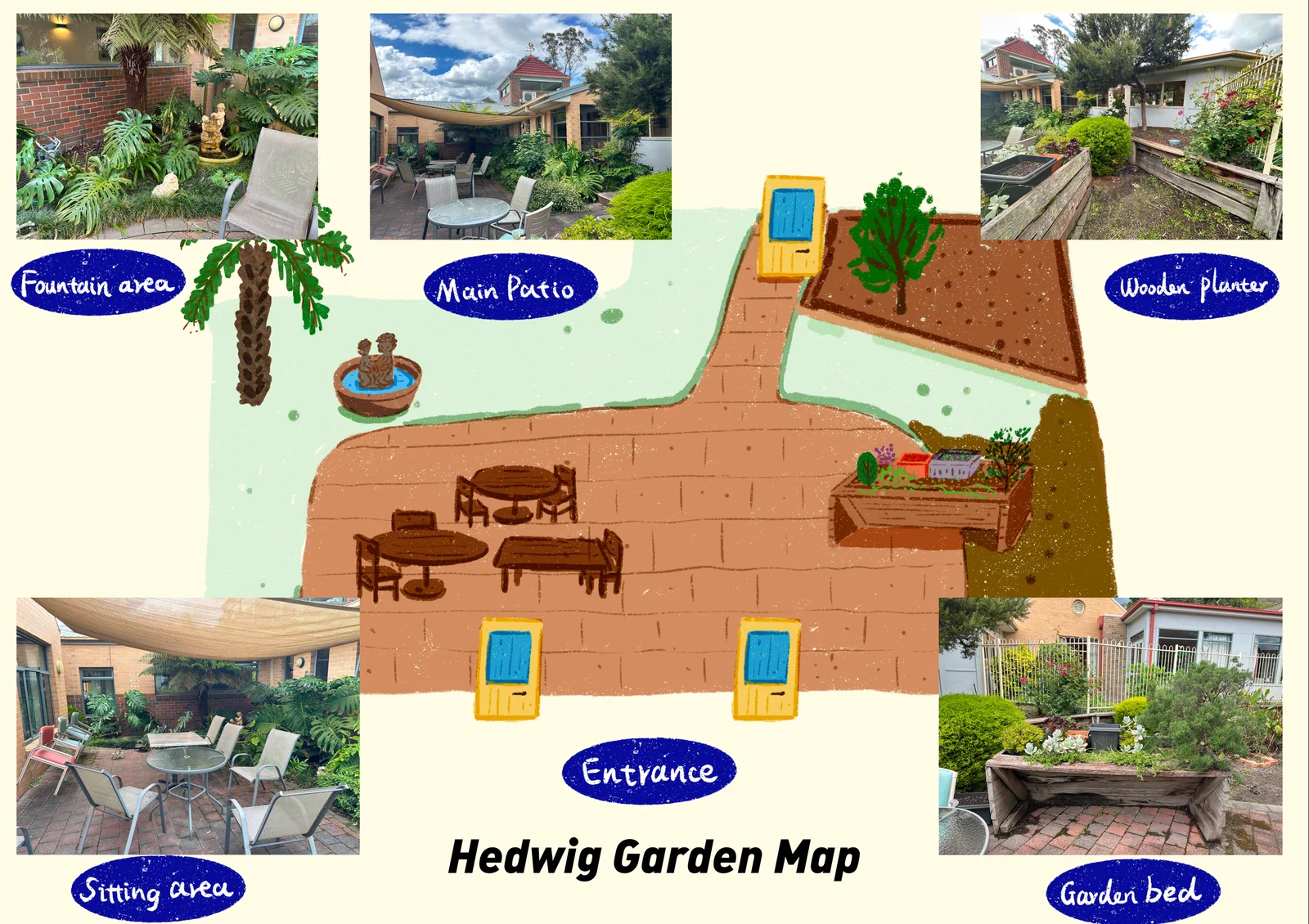
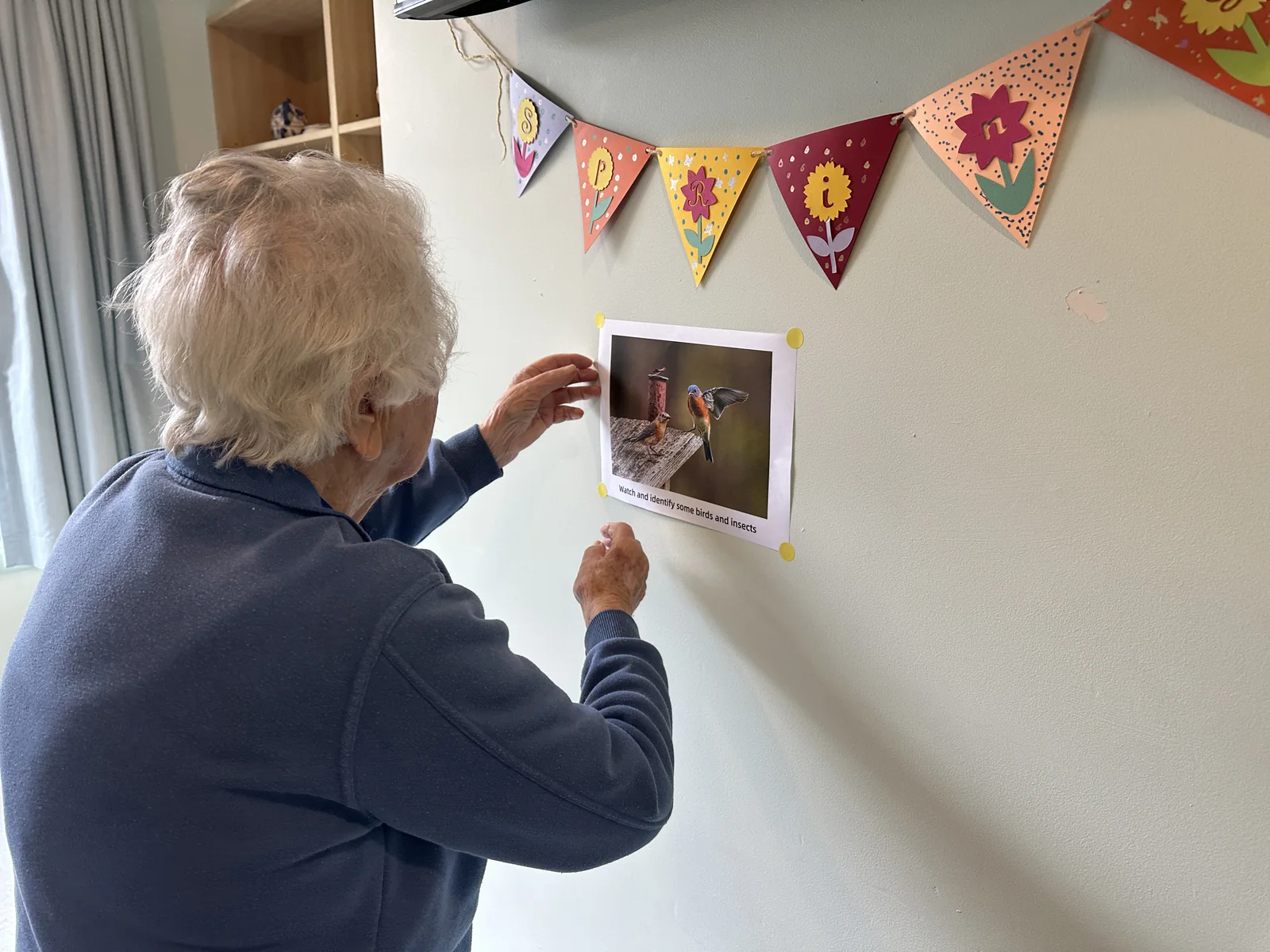
The toolkit brought together a hand-drawn map, plant and animal cards, clue and fact cards, and birdsong. Photographs supported recognition, while questions and sound invited people to contribute their own knowledge and associations.
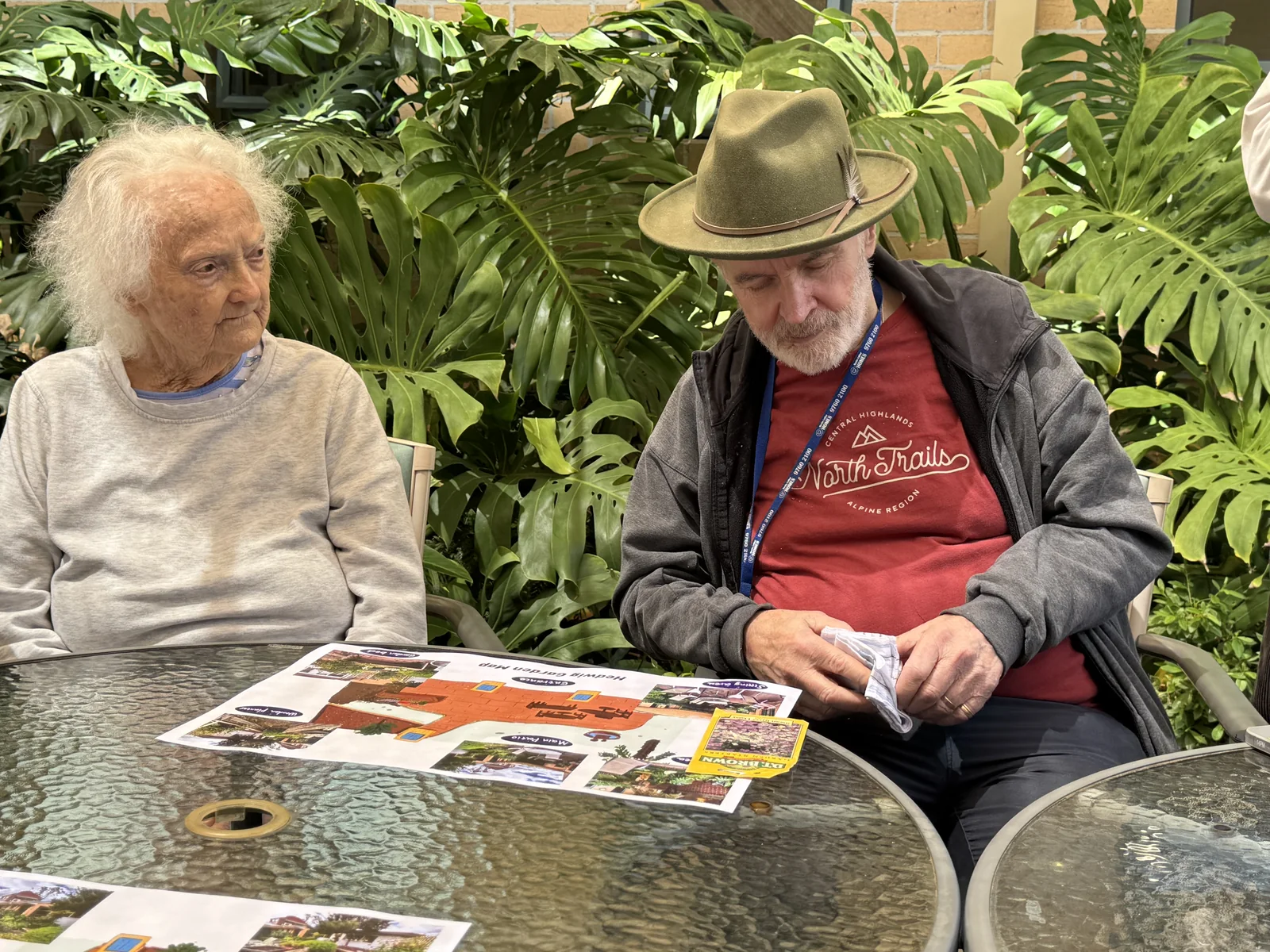
Maps were useful for some conversations about places, while understanding and locating oneself on a map varied. The design needed to accommodate this difference.
Different forms of curiosity.
The analysis considered observational, identificatory, imaginative, and connective forms of curiosity. Some exchanges began with looking closely or naming a bird. Others moved toward possibilities, associations, or a remembered place.
Some residents chose to keep bird images. This points to the importance of what a person can take away, retain, or revisit after the group activity finishes.
Keep the invitation accessible.
Visibility, pace, and opportunities to respond shaped participation. In group activities, a small card or a quickly spoken clue could be difficult to follow.
These observations inform the ongoing Our Outdoor Stories exploration, which connects walking, plant choices, and materials that remain visible in a shared space.